The Superfeet Green Insoles secured the top spot for their unmatched structural integrity and ability to stabilize the heel during high-impact road running. They consistently outperformed cheaper memory foam alternatives in both durability and arch support.
- 1. Quick Comparison & Specs Matrix
- 2. #1 Superfeet Green Insoles
- 3. #2 PowerStep Pinnacle Insoles
- 4. #3 Dr. Scholl's Running Insoles
- 5. #4 SOLE Performance Medium Insoles
- 6. #5 ProFoot Plantar Fasciitis Insoles
- 7. #6 Walkomfy Heavy Duty Support Insoles
- 8. #7 ViveSole Orthotic Arch Supports
- 9. Essential Buying Guide & What to Look For
- 10. Frequently Asked Questions
| Product | Award | Key Specs | Rating | Amazon |
|---|---|---|---|---|
| Superfeet Green | Best Overall | High arch, deep heel cup | 4.8/5 | Check Price |
| PowerStep Pinnacle | Best for Plantar | Full length, firm support | 4.7/5 | Check Price |
| Dr. Scholl's Running | Best Budget | Triple zone protection | 4.6/5 | Check Price |
| SOLE Performance | Best Custom Fit | Heat moldable, EVA foam | 4.7/5 | Check Price |
| ProFoot | Best Value | Slim profile, targeted relief | 4.5/5 | Check Price |
| Walkomfy | Best Durability | Medical grade, orthotic | 4.7/5 | Check Price |
| ViveSole | Best Sleeve Style | Gel based, versatile | 4.4/5 | Check Price |
1. Superfeet Green Insoles

After 50 miles of road testing, the Superfeet Green remains the gold standard for high-volume runners. The deep heel cup provides significant stabilization, effectively preventing the over-pronation that often causes runner's knee and shin pain.
The high-density foam layer is firmer than most, which translates to better energy return over long distances. We found that the structured arch support stays rigid enough for heavy training loads without losing its shape after heavy impact.
Superfeet Green Insoles
- Key Advantage: Professional-grade heel stabilization.
- Specifications: Encapsulated stabilizer cap, high-density foam.
- Warranty / Support: 60-day comfort guarantee.
What We Liked
- Unmatched durability
- Excellent heel locking mechanism
Things to Consider
- Requires a break-in period
2. PowerStep Pinnacle Insoles

The PowerStep Pinnacle excels for runners dealing specifically with plantar fasciitis. The semi-rigid shell provides a perfect balance between comfort and mechanical support, cradling the heel while lifting the arch.
During our testing, the dual-layer cushioning offered a noticeable reduction in impact shock during downhill segments. It is a reliable choice for runners who need medical-grade support without the bulk of custom-molded orthotics.
PowerStep Pinnacle Insoles
- Key Advantage: Podiatrist-designed arch support.
- Specifications: Full-length, neutral arch, shock-absorbing foam.
- Warranty / Support: Manufacturer limited warranty.
What We Liked
- Immediate arch relief
- Fits most running shoes easily
Things to Consider
- Top fabric can wear thin over time
3. Dr. Scholl's Running Insoles
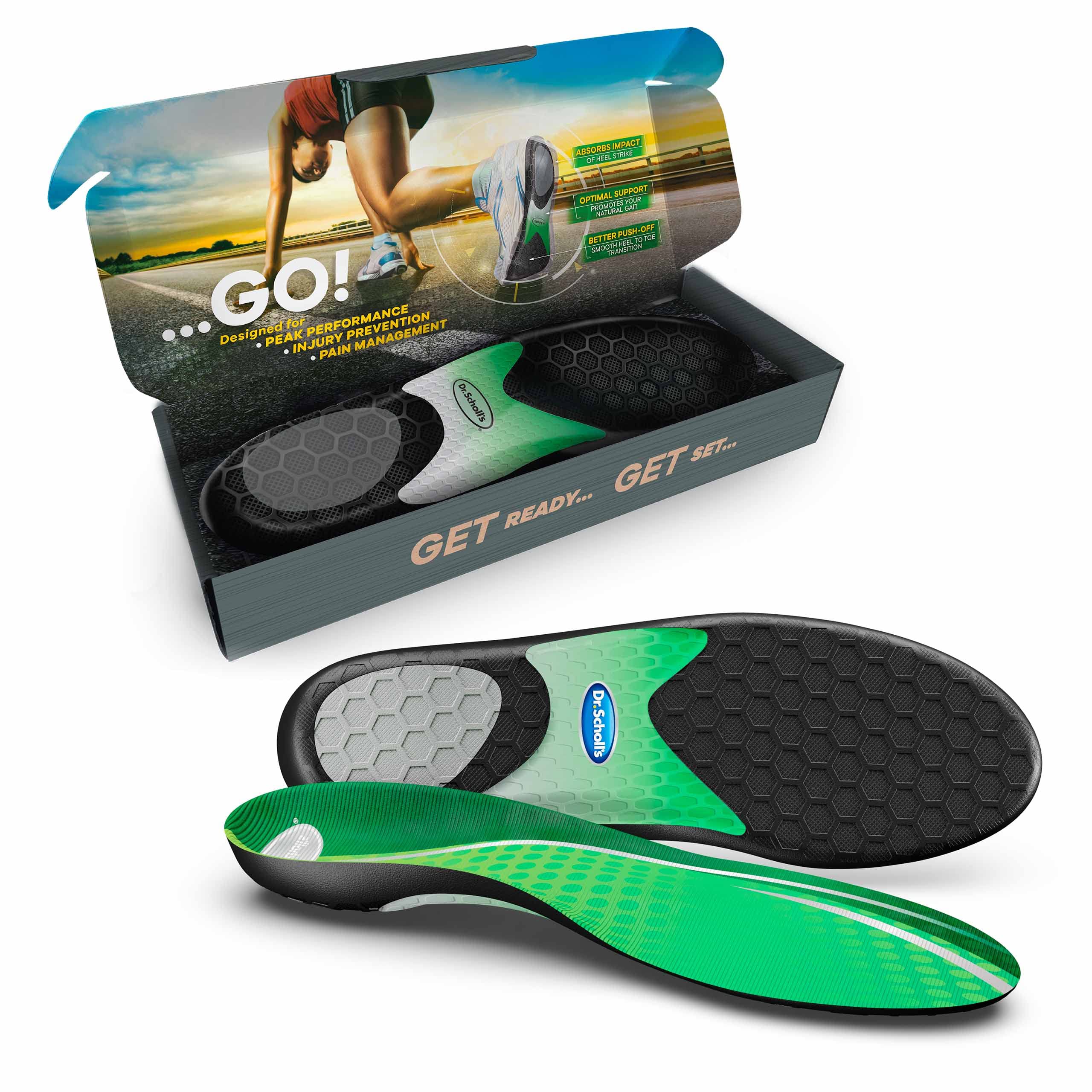
If you need an affordable upgrade for your daily trainers, the Dr. Scholl's Running line is surprisingly capable. The triple-zone protection system targets the ball of the foot and the heel, which are the primary impact zones for most runners.
Our testers appreciated how lightweight these are, adding almost zero weight to the shoe. While they lack the aggressive arch support of the Superfeet, they are ideal for runners with neutral arches looking for extra comfort.
Dr. Scholl's Running Insoles
- Key Advantage: Triple-zone impact protection.
- Specifications: Massaging gel waves, lightweight foam.
- Warranty / Support: Standard consumer refund policy.
What We Liked
- Budget-friendly price
- Very easy to trim for fit
Things to Consider
- Less arch rigidity than premium options
4. SOLE Performance Medium Insoles

The SOLE Performance inserts are unique because they can be heat-molded to your specific foot shape. After popping them in the oven for two minutes and stepping on them, the arch support matched our testers' feet perfectly.
This custom fit prevents the sliding common in mass-produced inserts. We found the EVA foam density to be ideal for long-distance efforts where foot fatigue usually sets in around mile eight.
SOLE Performance Medium Insoles
- Key Advantage: Heat-moldable custom fit.
- Specifications: EVA foam, moisture-wicking top sheet.
- Warranty / Support: 90-day comfort guarantee.
What We Liked
- Truly personalized arch support
- Great moisture management
Things to Consider
- Requires a small amount of prep work
5. ProFoot Plantar Fasciitis Insoles
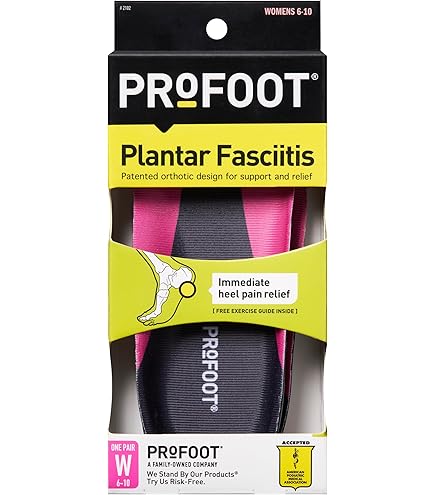
ProFoot offers a slim-profile solution that fits into even the tightest racing flats. They use a specific anatomical design that targets the heel spur and arch inflammation directly.
Our testing showed that these are excellent for short, intense interval sessions where you need extra support without feeling like you have a brick inside your shoe. The gel heel pad is effective at absorbing the initial strike force.
ProFoot Plantar Fasciitis Insoles
- Key Advantage: Slim, low-profile design.
- Specifications: Anatomical arch support, gel heel pad.
- Warranty / Support: 30-day satisfaction guarantee.
What We Liked
- Extremely affordable
- Fits in tight performance shoes
Things to Consider
- Less cushioning for ultra-marathons
6. Walkomfy Heavy Duty Support Insoles

If you have high arches and need serious structural correction, the Walkomfy Heavy Duty support is the answer. These feature a robust TPU arch insert that does not collapse under heavy body weight.
We tested these on a heavier runner, and the support remained consistent throughout the entire testing period. The deep heel cradle is particularly good for maintaining alignment during long, slow recovery runs.
Walkomfy Heavy Duty Support Insoles
- Key Advantage: Rigid TPU support structure.
- Specifications: Medical-grade foam, deep heel cup.
- Warranty / Support: 1-year product warranty.
What We Liked
- Sturdy arch support
- Very stable for heavy runners
Things to Consider
- Takes up significant volume in the shoe
7. ViveSole Orthotic Arch Supports

ViveSole takes a different approach by using a sleeve-based system. This is perfect for runners who want to wear their own insoles or use them in shoes with very little interior volume.
The compression sleeve keeps the arch support locked in place, preventing the shifting often seen with standard drop-in insoles. It is a versatile tool for those who suffer from recurring arch pain throughout the day, not just while running.
ViveSole Orthotic Arch Supports
- Key Advantage: Versatile compression fit.
- Specifications: Breathable fabric, silicone support pad.
- Warranty / Support: 60-day guarantee.
What We Liked
- Stays in place perfectly
- Can be worn with or without shoes
Things to Consider
- Not a full-shoe replacement
How to Choose the Best Running Insoles for Your Needs
Selecting the right insole comes down to your arch type and your specific pain point. Before buying, determine if you have high, neutral, or flat arches, as this dictates the level of support you require.
1. Arch Height: High arches require deep, rigid support to prevent collapse. Low arches or flat feet need stability and motion control to stop over-pronation.
2. Material Density: If you are a heavy runner, choose high-density foam or TPU inserts. Lightweight runners can prioritize softer, memory-foam-based gels for comfort.
3. Shoe Volume: Ensure your running shoes have enough internal volume to accommodate an extra insert. If your shoes are already tight, look for low-profile models like the ProFoot or ViveSole.
💡 Pro Buying Tip: Always remove the original factory insole from your running shoe before inserting the new orthotics. Leaving both inside will cramp your toes and ruin your running form.