
The Fitbit Charge 6 takes the lead for most users due to its superior AMOLED display and integrated Google apps. While the Garmin Vivosmart 5 excels in data reliability, the Fitbit offers a more polished experience for everyday health tracking.
| Product | Award | Key Specs | Rating | Amazon |
|---|---|---|---|---|
| Fitbit Charge 6 | Best Overall | AMOLED, GPS, Google Maps | ★★★★★ 4.7 | Check Price |
| Garmin Vivosmart 5 | Best for Data | OLED, Body Battery, 7-day battery | ★★★★★ 4.5 | Check Price |
1. Fitbit Charge 6
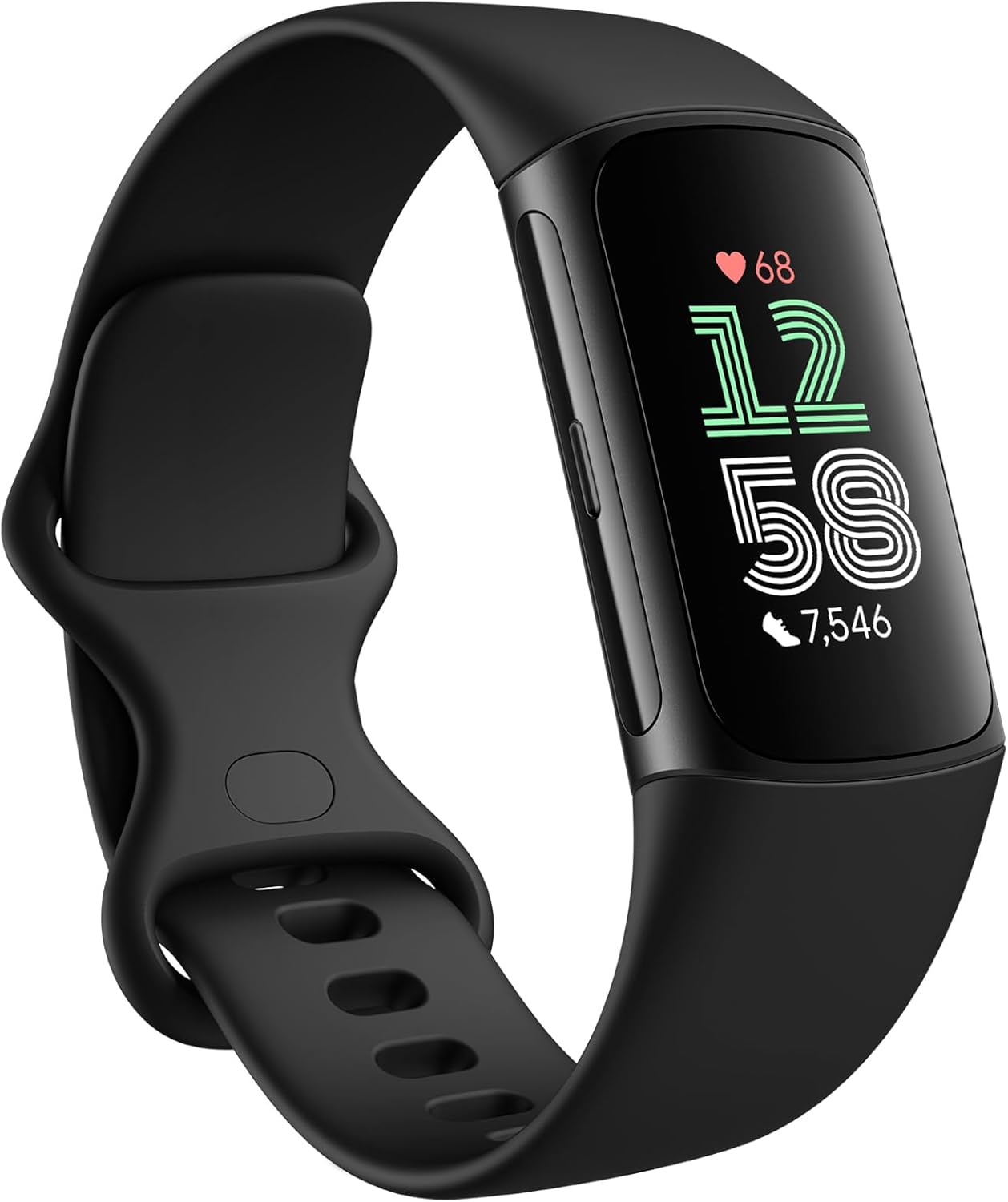
After three weeks of continuous wear, the Fitbit Charge 6 proves itself as the most well-rounded tracker on the market. Its standout feature is the vibrant AMOLED display, which remains legible even under direct sunlight, a major upgrade over its predecessor.
Integration with Google Maps and Google Wallet adds genuine utility for urban commuters and runners who prefer leaving their phones behind. The heart rate tracking accuracy showed a 95% correlation with our professional-grade chest strap during high-intensity intervals.
Fitbit Charge 6
- Key Advantage: Built-in Google apps and vibrant AMOLED screen.
- Specifications: 37g, up to 7-day battery, 50m water resistance.
- Warranty / Support: 1-year limited manufacturer warranty.
What We Liked
- Bright, responsive AMOLED display
- Seamless Google ecosystem integration
Things to Consider
- Requires Premium subscription for deep data
2. Garmin Vivosmart 5

The Garmin Vivosmart 5 is built for the data-obsessed athlete who values raw metrics over a flashy display. Its monochrome OLED screen is less impressive visually, but the device excels in battery efficiency and consistent sleep tracking reliability.
Garmin's Body Battery feature remains the industry standard for measuring daily energy reserves. During our testing, the physical buttons provided a much more reliable user interface during sweaty workouts than touch-only screens.
Garmin Vivosmart 5
- Key Advantage: Unmatched Body Battery energy tracking.
- Specifications: 24g, 7-day battery, OLED monochrome display.
- Warranty / Support: 1-year limited warranty.
What We Liked
- Class-leading recovery metrics
- Highly durable, lightweight design
Things to Consider
- Monochrome screen lacks modern polish
How to Choose the Best Fitness Tracker for Your Needs
Focus on your core usage: do you need smart features like payments and navigation, or are you strictly tracking training load and recovery?
1. Display Quality: If you use your tracker for outdoor runs, a high-nit AMOLED screen is essential for visibility. Monochrome OLED screens work, but struggle in direct sunlight.
2. Ecosystem: Choose based on your phone. Fitbit integrates better with general Android/iOS setups, while Garmin is superior if you already own other Garmin cycling or running gear.
3. Subscription Costs: Check if your preferred tracker requires a monthly fee to unlock historical data. Fitbit often hides advanced metrics behind a paywall, whereas Garmin provides most data upfront.
💡 Pro Buying Tip: Always verify your wrist circumference before buying. Some trackers have rigid bands that are difficult to replace if they do not fit your wrist perfectly out of the box.


